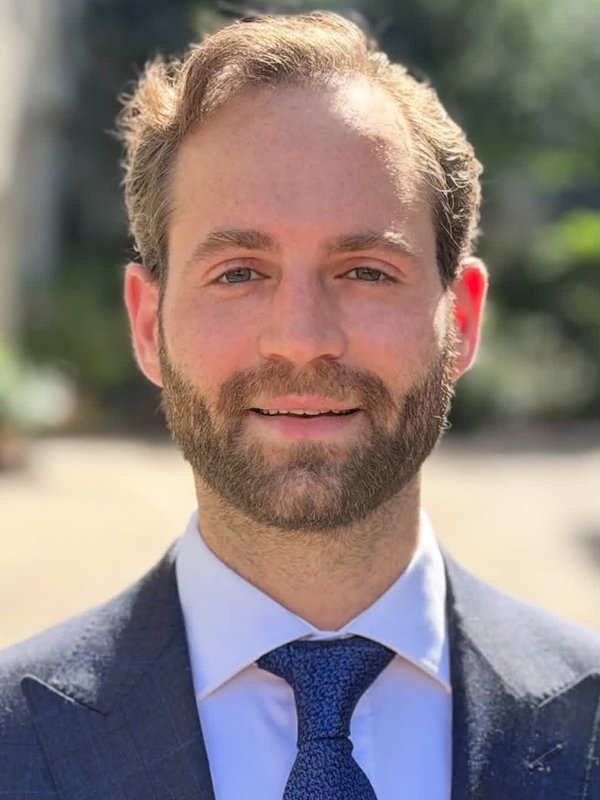
Founder, Ordovance
I am a technology and decision-systems advisor, the founder of Ordovance, and the creator of Decision Systems Architecture. I help organizations determine what their people need to work more effectively, what kind of tool or system would actually help, and where technology should remain out of the way.
My perspective did not begin in a software lab. It began around the physical and operational side of high-pressure jobs — injury prevention, field performance, fatigue, recovery, safety, and productivity. That work gave me a rare view of decision-making from both directions.
From the ground up, I worked around the people carrying the physical cost of decisions: first responders, arborists, tree-climbing crews, trucking operators, site teams — people doing hard work under real pressure. From the top down, I spent years in direct conversation with owners, executives, safety leaders, and operators — including owners of businesses valued in the tens of millions — carrying the financial, operational, and leadership consequences of those same decisions.
That combination mattered. I wasn’t only seeing what decisions looked like on paper. I was seeing what they did to people in the field, what they cost owners, where they stalled, where authority got unclear, and how pressure moved through an organization.
Smart people had experience. Teams had data. The stakes were real. But decisions still stalled, drifted, escalated too early, or moved without clear ownership.
The failure was rarely just a lack of information. More often, the missing piece was decision structure: a way to determine what could responsibly move, who owned the risk, what evidence was sufficient, and how to route a stuck decision back into action. That observation became the foundation of Decision Systems Architecture — built around a practical question: when a team is carrying risk, uncertainty, and pressure, how do they decide what can move now, what needs more evidence, and what must be escalated?
I test the framework through reverse validation: take a real decision after the fact, run it through the DSA structure, and see whether the system identifies what the room missed. It tests whether the structure can see in hindsight what it’s designed to detect in real time.
Today that same systems perspective shapes my technology and AI advisory work. I do not begin by asking employees to learn another category of tools. I begin with the work: what people are trying to accomplish, where the burden appears, what information and authority they need, and whether the answer is a process change, existing software, integration, automation, a custom system, or no new technology at all.
That framework is now the spine of my keynotes, certification courses, consulting work, and the Ordovance systems: Game Studio for learning, Vantage for live decisions, and Bearing for management and organizational memory. Most recently I presented DSA at EOR USA 2026 in Houston, applied to enhanced oil recovery and high-capital reservoir decisions.
My work is built for organizations with capable people and consequential work, where technology should reduce burden, not create more of it. If the tools are multiplying while the work remains difficult—or the information is strong while decisions still stall—that is the conversation I am built for.